
 UAE
UAE Argentina
 Austria
 Australia
 Belgium
 Bulgaria
 Brasil
 Canada
 Switzerland
 Chile
Chile Czech Republic
 Germany
 Denmark
 Spain
Spain Finland
 France
 United Kingdom
 Greece
 Hong Kong
 Hungary
 Indonesia
 Ireland
 Israel
 India
India Iceland
 Italy
Italy Japan
Japan South Korea
 Mexico
 Malaysia
 Netherlands
 Norway
 New Zealand
 Poland
 Portugal
 Romania
 Russia
 Saudi Arabia
 Sweden
 Singapore
 Slovakia
 Thailand
 Taiwan
 Ukraine RU
 United States
 South Africa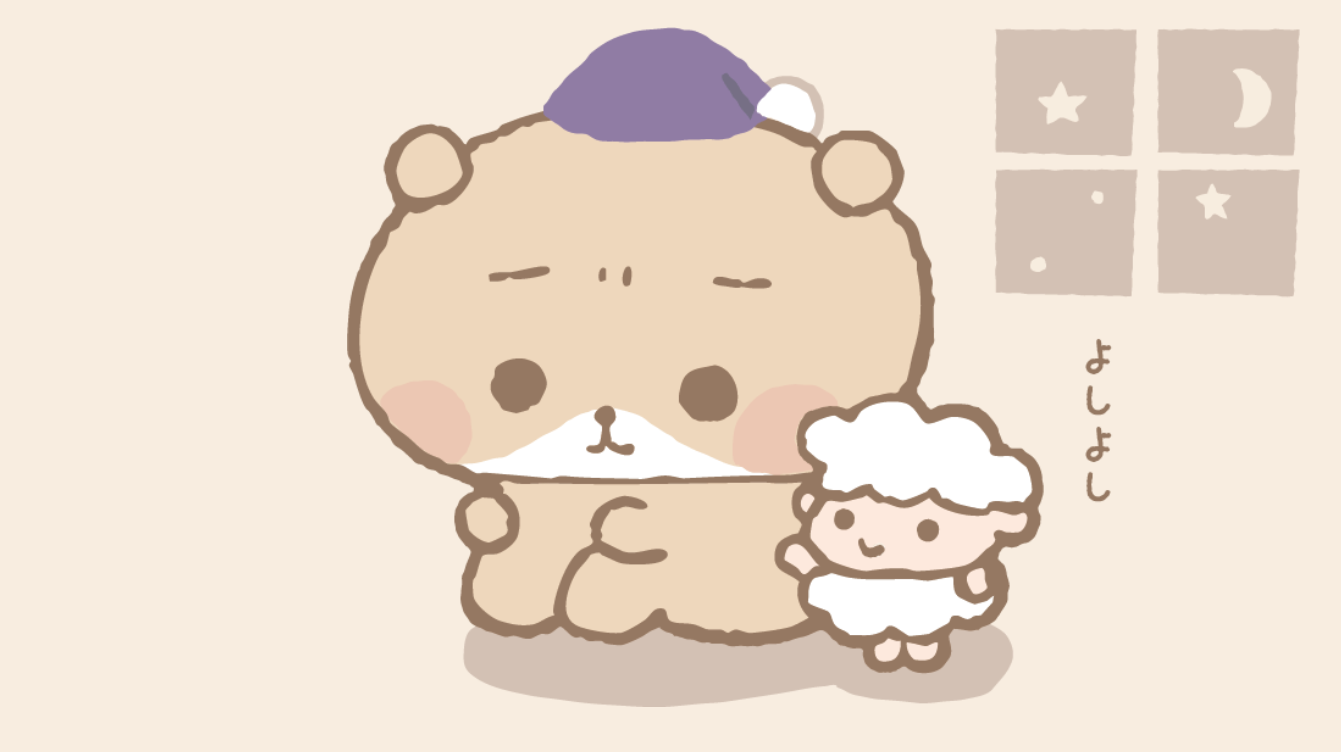
Japanese character goods, such as Hello Kitty, have achieved global popularity due to their adorable and iconic designs. Now, Sony is stepping into the arena. Sony Creative Products (SCP), the division responsible for managing the Sony Group's character IPs, is aiming to develop its own universally appealing characters that could generate 10 billion yen (around $62.8 million) in annual sales by 2030.
According to Nikkei, the goal is to create original characters that Sony can build merchandise and multimedia around. To achieve this, SCP has established a dedicated team to develop potential hit characters and even opened a special event space in Tokyo.
Living in Japan, it's impossible to avoid mascot characters and their merchandise. Chances are your local bank, supermarket, or fast-food chain is running some collaboration with a recognizable bug-eyed cutie. Many companies, cities, and prefectures have their own mascots (the most famous being Kumamoto Prefecture's Kumamon). Then there are the major players in character goods: Sanrio, home of the world-famous Hello Kitty and a roster of fluffy icons like Kuromi, Cinnamoroll, and Pompom Purin; and San-X, creator of Rilakkuma and the Sumikko Gurashi family.
Now, Sony is aiming to compete with its own original characters. Currently in the running is Nemu the Night Owl Bear, who has amassed over 1 million followers in just a year. Created in collaboration with Tokyo-based company Tsumupapa, Nemu is a bear who worries so much about life's problems that he struggles to sleep. According to an SCP executive officer interviewed by Nikkei, this "stress-filled society theme is resonating across borders," with the bear gaining significant popularity in South Korea. Plans for merchandise and an anime featuring Nemu are already in development.
Sony's target of 10 billion yen in annual sales by 2030 for original IP characters is ambitious. For context, a character is typically considered a hit in Japan if its merchandise generates 2-3 billion yen in annual sales, according to SCP. However, with the Sony Group's extensive reach across anime, music, games, and film, an original mascot (or two) already has numerous potential avenues to attract fans and generate revenue.
In the video game sector, while Nintendo has Mario and Sega has Sonic, Sony has always struggled to find a lasting mascot. If you ask gamers who Sony's mascot is, their answer likely depends on which PlayStation generation they grew up with. They might say Crash Bandicoot, Sackboy, or Astro Bot. Then there are the many human characters from former PlayStation exclusives that became associated with the brand (Lara Croft, Solid Snake, Kratos, Nathan Drake, etc.). There's also Toro Inoue, the white cat from the Doko Demo Issyo series who served as a PlayStation mascot in Japan for a while. However, Toro lacks the widespread international recognition that Nintendo's plumber and Sega's blue hedgehog enjoy.
The current issue is that Sony lacks fully-owned, recognizable original characters, and SCP aims to address this. SCP has a track record of handling domestic events for popular character IPs owned by other companies and revitalizing specific IPs in Japan, such as the Peanuts comic strip characters (Snoopy and friends), which it acquired in March 2026. SCP is also leveraging technology to enhance people's encounters with such characters at events.
To this end, Sony Creative Products opened the Yurakucho Museum in Tokyo, a space designed to provide immersive character-related exhibitions. Currently, SCP is using haptics to enhance a Pingu exhibition, including vibrating floors and gusts of wind. Sony holds the marketing rights to Pingu in Japan and doubled the Swiss-born penguin character's merchandise sales in the country last year (source: Mainichi).
But can Sony apply its marketing successes with well-known character IPs to its own brand-new, original creations? Could we see tie-in anime series and games featuring cute new Sony characters? Watch this space.