UAE
UAE Argentina
 Austria
 Australia
 Belgium
 Bulgaria
 Brasil
 Canada
 Switzerland
 Chile
Chile Czech Republic
 Germany
 Denmark
 Spain
Spain Finland
 France
 United Kingdom
 Greece
 Hong Kong
 Hungary
 Indonesia
 Ireland
 Israel
 India
India Iceland
 Italy
Italy Japan
Japan South Korea
 Mexico
 Malaysia
 Netherlands
 Norway
 New Zealand
 Poland
 Portugal
 Romania
 Russia
 Saudi Arabia
 Sweden
 Singapore
 Slovakia
 Thailand
 Taiwan
 Ukraine RU
 United States
 South Africa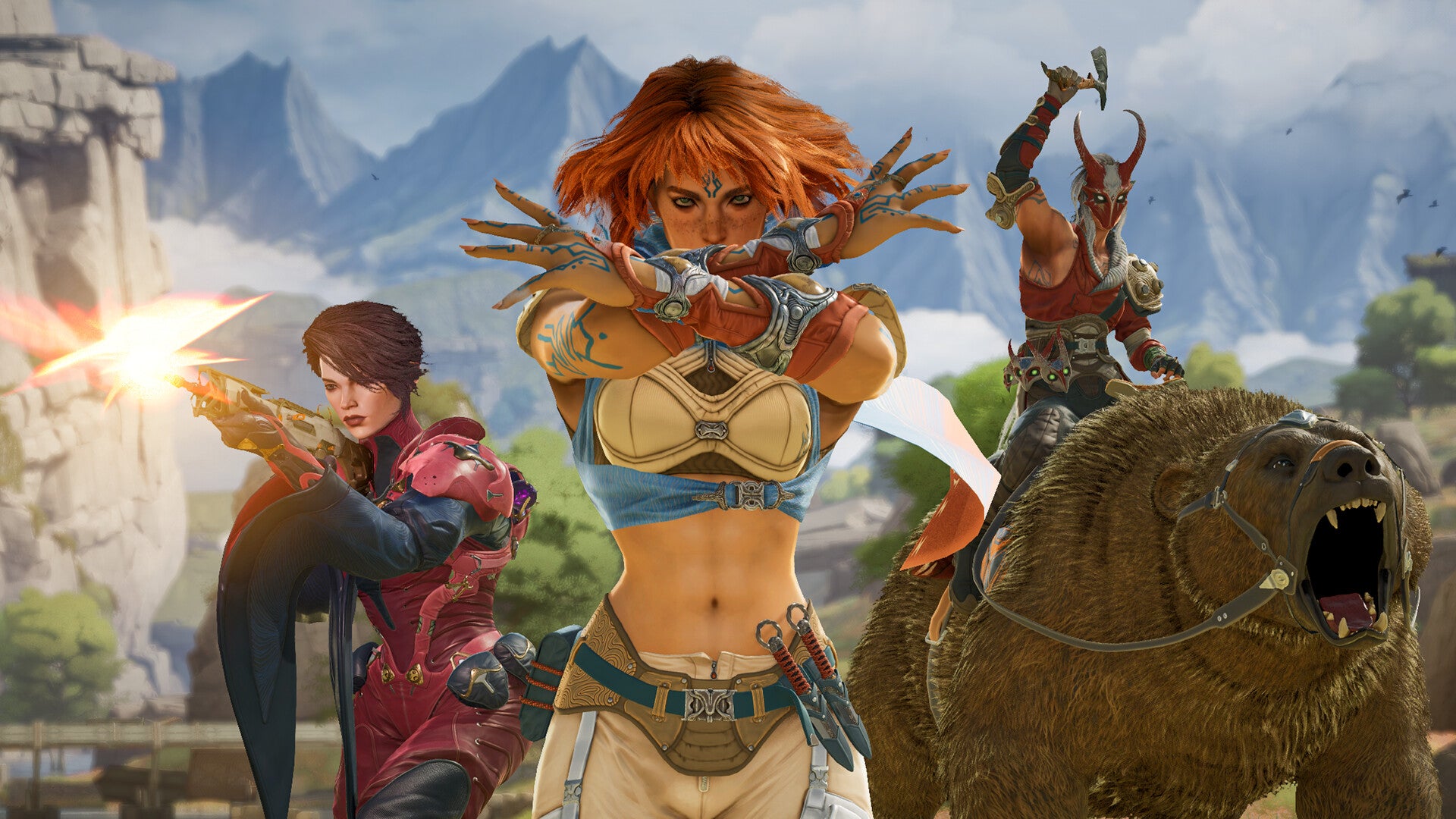
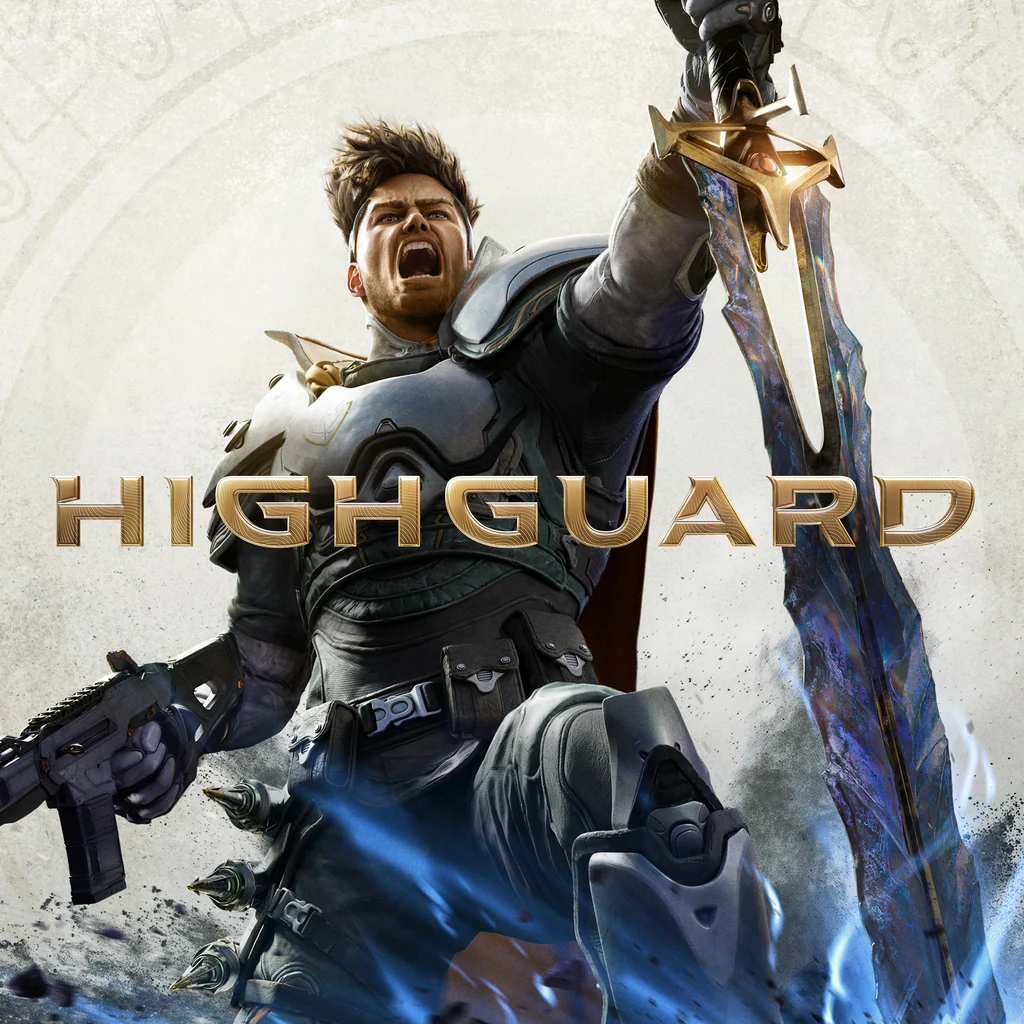
Highguard, the free-to-play PvP raid shooter unveiled at The Game Awards last year, faced a rocky launch with most of its developers laid off just weeks after release. According to former Wildlight developer and level designer Alex Graner, the game's failure may stem from leaning too heavily into competitive gameplay.
Speaking on the Quad Damage Podcast, Graner explained that while developers never intend to create something that fails, Wildlight consistently emphasized competitive aspects throughout development. "I can only speak from my perspective as a level designer," Graner said, as reported by PCGN via Eurogamer. "When I joined Wildlight, we were exploring this ambitious new game, always pushing boundaries. Unfortunately, things don't always work out as planned."
Graner expressed concern about the game's focus on intense competitive modes, particularly 3v3 formats. "3v3 duos represent the most demanding version of any game mode—whether it's battle royale, objective modes, or wingman," he noted. "This format requires intense communication and teamwork, leaving little room for casual play. I believe this is what ultimately turned many players away from Highguard."
The complexity of Highguard's mechanics also posed challenges, Graner suggested. The game featured numerous rules and stages that could overwhelm newcomers, especially those without established teams. "It's a constant shift: looting, chasing objectives, planting objectives, overtime—all these rules work well at high levels but are overwhelming for new players," he explained. "Additionally, the 3v3 setup demands high-skill movement and shooting, creating a steep learning curve. If you have a few bad matches or uncoordinated teammates, you'll likely struggle, as 1v2 situations are extremely difficult in our game."
Graner emphasized that Highguard was fundamentally designed as a team-based shooter, which may have alienated solo players. "People simply turned it off because they lacked a team," he concluded.
Another former developer recently criticized the game's troubled announcement and launch, describing it as "turning into a joke from minute one," partly due to misconceptions about a million-dollar advertising deal. Despite online backlash, several prominent video game developers have defended Highguard.
Recent reports reveal that Tencent financially backed Highguard but withdrew funding shortly after launch. The development team has reportedly shrunk to fewer than 20 members. While the game peaked at 97,249 concurrent players on Steam at launch, it now averages just 105 players on Valve's platform.