
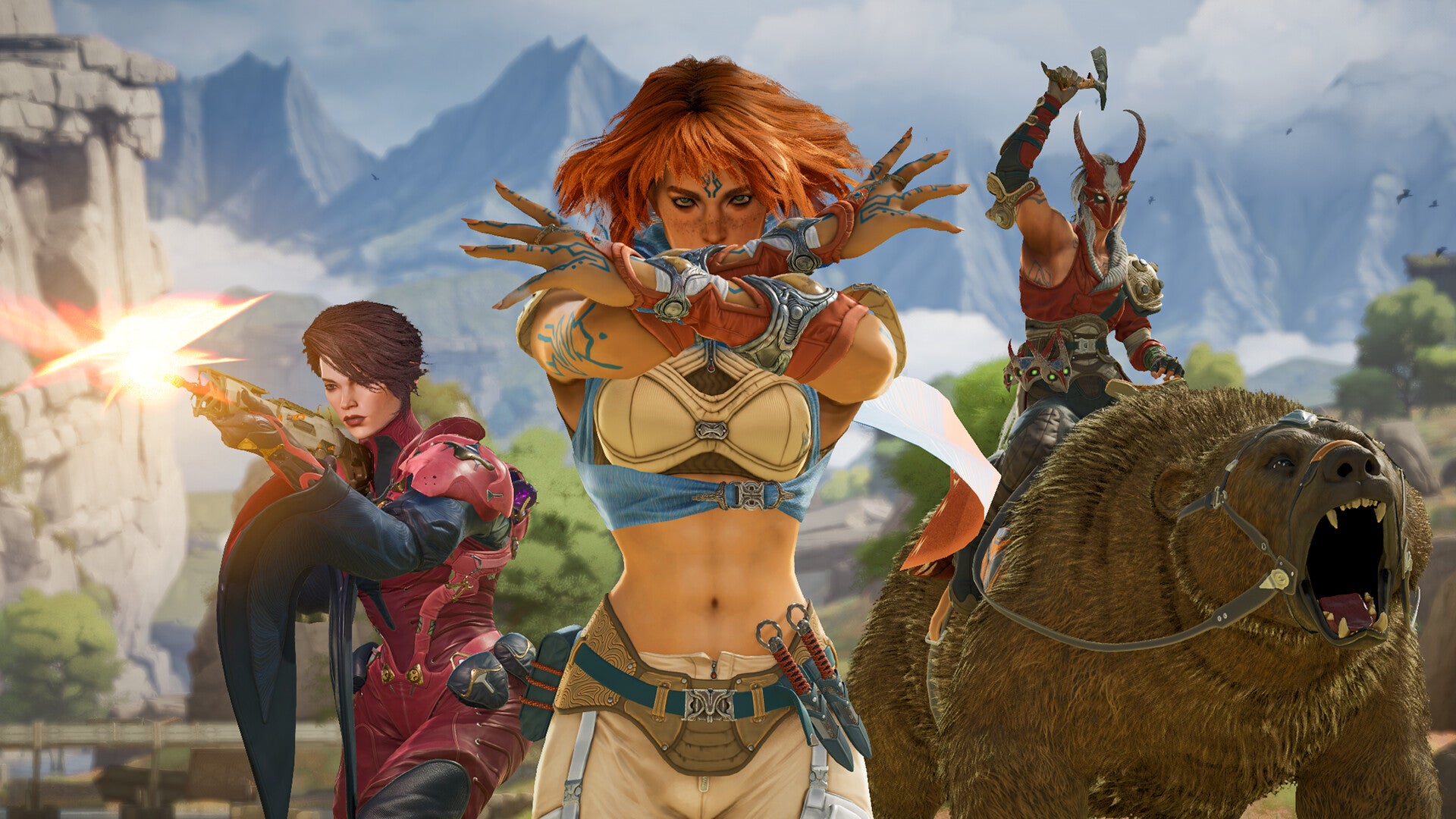
A developer who contributed to Highguard has spoken out about the intense backlash he faced following the free-to-play shooter's debut at The Game Awards in December. He revealed that both the game and its team were instantly "turned into a joke," primarily because of misconceptions surrounding a million-dollar advertising deal.
Just two weeks after Highguard's launch on January 26, Wildlight, the studio behind the game, laid off most of its staff, retaining only a small core team. This decision came despite the release of Episode 2 and the game's strong initial performance, ranking in the top 10 for weekly active users on Steam in the US and the top 20 on both US PlayStation and Xbox platforms.
In a heartfelt post on X/Twitter, tech artist and rigger Josh Sobel, who was among those let go, shared his personal experiences and the toll the launch took on the entire team. Sobel described the lead-up to The Game Awards 2025 as one of the most thrilling moments of his life, after dedicating two and a half years to Highguard with high hopes. He noted that internal feedback before the reveal was largely positive, with any criticism being constructive and actionable.
However, everything changed once the trailer was released. Sobel pointed out that while content creators often criticize biased positive previews, they overlook how negative content can drive significantly more engagement, potentially leading to disingenuous coverage. The hate began immediately, with Sobel himself becoming a target due to his candid social media posts, which his more experienced colleagues had learned to avoid. After making his account private to cope, he faced widespread mockery, including videos that garnered millions of views and flooded his replies with angry comments. He was ridiculed for his pride in the game, his career prospects, and even for mentioning his autism in his bio, which some wrongly used to label the game as "woke trash."
Sobel acknowledged that there were valid critiques of Highguard's trailer and marketing, but he questioned whether the outcome would have been different without The Game Awards announcement. He explained that false assumptions about the ad placement quickly spread, with even prominent journalists treating them as facts. This led to an immediate verdict that the game was doomed, fueling a month of rage-driven content. Social media videos were heavily downvoted, and comments were filled with repetitive memes like "Concord 2" and "Titanfall 3 died for this." At launch, the game received over 14,000 review bombs from users who played for less than an hour, with many not even completing the tutorial.
Reflecting on online discussions about Highguard, Concord, and 2XKO, Sobel noted that gamers often dismiss developers for blaming players, but he emphasized that players wield significant influence. While not attributing the game's failure solely to gamer culture, he argued that the negative discourse played a crucial role. He stressed that all products depend on consumer reception, and in this case, concerted efforts to slander Highguard proved effective.
As a result, Sobel lamented that many of Highguard's independent team members will now be compelled to return to corporate jobs, ironically fulfilling the very accusations that gamers had leveled against Wildlight. He warned that if this trend continues, the multiplayer gaming landscape could be dominated solely by corporations, stifling innovation. Despite Highguard's rocky start, Sobel believes the studio—an independent, self-published team driven by passion, with no AI or corporate oversight—deserved better than to have its downfall celebrated.
In closing, Sobel wished the remaining Wildlight team the best of luck and expressed gratitude to supportive journalists and creators for their empathy and integrity. He fondly recalled his time with the tech art team as some of the best moments of his life.
Following the online backlash, several prominent game developers came to Highguard's defense. Figures from Larian Studios (creators of Baldur's Gate 3) and Epic Games (makers of Fortnite) criticized the toxic discourse and the internet's tendency to hate on new games at launch. Notable voices like Cliff Bleszinski (Gears of War), Epic executive Mark Rein, and Larian's Swen Vincke specifically condemned the negativity from critics.
