
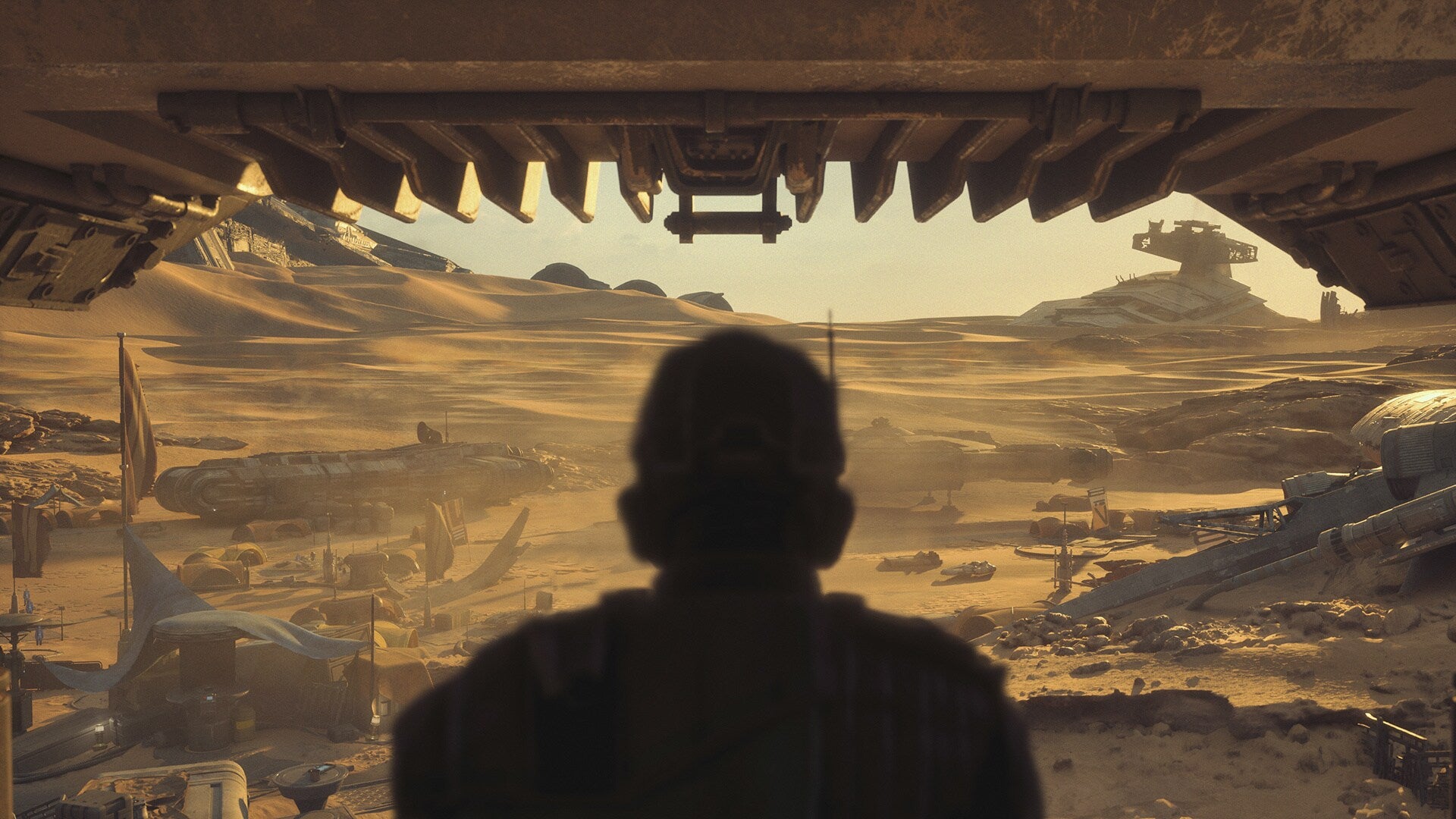
After last week's gameplay trailer for Star Wars: Galactic Racer, I had the chance to dive deep with the developers, uncovering fresh details about its mechanics, narrative, and the reasoning behind its return to track-focused racing in an era dominated by open-world titles.
Galactic Racer is the debut project from Fuse Games, a UK studio established in 2023 by a team of ex-Criterion veterans, the creative force behind Burnout and Need for Speed, before its integration into Battlefield Studios. As Fuse Games ventures into a galaxy far, far away, I spoke with CEO and founder Matt Webster and creative director Kieran Crimmins about their vision.
Matt Webster: Did it match your expectations?
I recalled your earlier interview where you were vague about the genre, and I thought, 'They're clearly making a racing game—why the secrecy?'
Kieran Crimmins: [Laughs] We've done spaceship projects before, so it was plausible, but not this time. Who were we fooling!
Maybe you were on another Battlefield title!
Crimmins: [Laughs] Fair point.
I was curious about the racer's design—open world or not? When you announced Fuse Games, did you have a clear plan from leaving Criterion to unveiling Star Wars?
Webster: It felt fast, but we're three years in now.
Crimmins: It's wild—we've built games quicker, but never a studio from scratch.
Webster: True. It stems from a shared passion for racing and Star Wars. Starting a new studio brings risks: tech, team, creativity. We mitigated these by using Unreal Engine, working with known colleagues, and leveraging our expertise. We wondered, 'Why hasn't there been a Star Wars racing game in so long?'
Crimmins: We brainstormed concepts, playing to our strengths. Our DNA from past projects will shine through, rooted in thrilling arcade racing. Combining that with Star Wars lore—like podracing—felt natural. We pitched it to Lucasfilm, who shared our excitement, making it the ideal first game.
Webster: Our history with Lucasfilm, from speeder bikes in Endor at Criterion to the X-Wing VR mission, built mutual respect. It's about executing a fantastic opportunity together.
Why the long gap for a Star Wars racer? Were you tied up with Battlefield?
Webster: Possibly! Timing matters. We aimed to innovate, not just make a racer but something fresh for Star Wars.
Crimmins: The timing felt right now. It's about luck and aligning elements. We believe we're the perfect studio for this.
What innovations can players expect, and how will your past work influence it?
Webster: You'll see it instantly. We're addressing a gap in high-quality track racing for modern players. We're returning to tracks for replayability and mastery, avoiding open-world compromises. At 4K 60fps, it'll deliver stunning visuals in the Star Wars universe.
We're innovating with a two-phase boost system: a ramjet that goes extremely fast but overheats, risking explosion. This ties into Star Wars locations—like Lantaana, with lava and water affecting heat management—adding tactical depth to racing lines.
Crimmins: This game offers variable racing lines based on vehicle, build, and environment, making each galactic tour unique. We're crafting a rich arcade experience with more options than ever, blending new ideas with our racing heritage.
Webster: It delivers instant racing fantasy with a high skill ceiling for mastery.
Given your open-world history, what's your take on the track vs. open-world debate, especially after Mario Kart World sparked nostalgia for tracks?
Crimmins: [Laughs] I didn't notice that trend, but I love both styles. Open world has its place, but we chose tracks for replayability and focused gameplay. Racing innovation is tough due to cognitive load; we wanted a tight, high-consequence experience that fosters player stories, which open world might dilute.
Webster: Racing is a sport in Star Wars, from podracing to riot racing. Tracks suit that action. Plus, Star Wars fans crave characters and story, so we framed it as a racing adventure. You play as Shade, a new canonical character, with a paddock area for walking, interacting, and narrative moments, contrasting high-intensity races.
Crimmins: The paddock lets you build rivalries, upgrade skimmers, and immerse in the Galactic Racing League story. It's not just cutscenes; it's a gameplay space for scale and decompression, learned from Burnout's pacing.
Are there more familiar faces beyond Ben Quadinaros and Sebulba?
Crimmins: Yes, a mix of familiar and new characters to ensure authenticity across Star Wars media.
Will there be a season pass?
Webster: No. It's a premium release with campaign, arcade, and multiplayer. Season passes are for free-to-play games, not ours. We might explore post-launch content later, but focus is on a complete experience.
Crimmins: Our goal is an amazing out-of-the-box game, with future possibilities open.
Fans pinpoint the timeline post-5ABY due to crashed Star Destroyers on Jakku. How much does canon matter, and will we get exact dates?
Webster: It's set after Return of the Jedi, when sport becomes prominent, but we're not specific beyond that. Sebulba's beard is a fun touch!
