
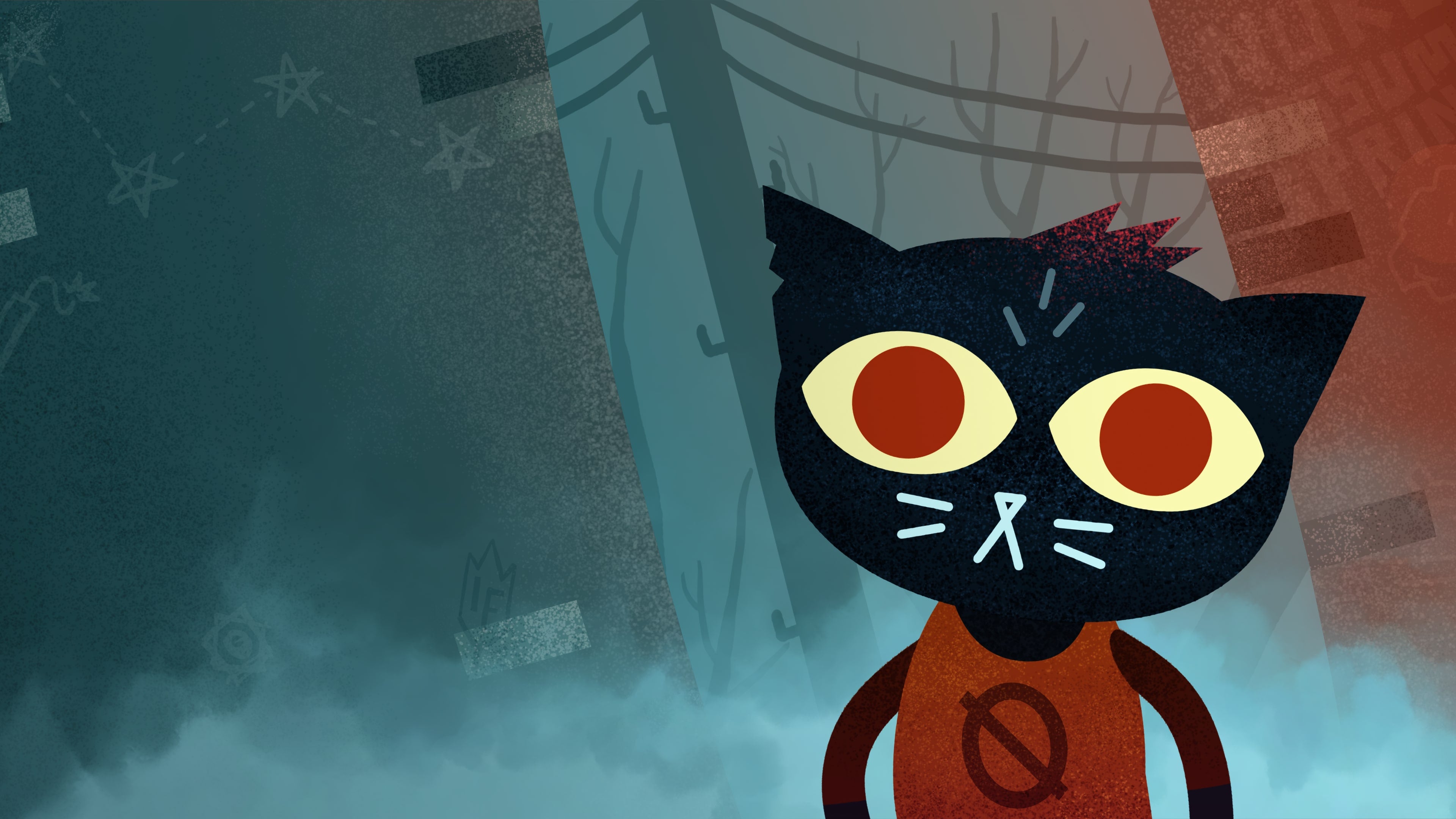
Finji, the publisher behind indie favorites like Night in the Woods and Tunic, has revealed that TikTok has been using generative AI to alter its advertisements on the platform without permission. According to the company, these unauthorized modifications include one ad that was changed to feature a racist and sexualized stereotype of a character from Finji's game Usual June.
The issue first came to light when Finji CEO Rebekah Saltsman posted about it on Bluesky, sharing a screenshot from another brand experiencing similar problems. She urged followers to send screenshots if they spotted any ads that didn't look like Finji's typical content.
Speaking with IGN, Saltsman explained that while Finji's official TikTok account does run ads for its games, the company has all AI features disabled. The team only became aware of the AI-generated ads through concerned comments on their legitimate advertisements from users who had seen the altered versions.
Saltsman collected screenshots from audience members showing the problematic ads, which prompted her to contact TikTok support. The original ads were video promotions for Finji's games, but the AI-modified versions appeared as slideshows that seemed to come directly from Finji's official account.
One particularly offensive image showed an edited version of Usual June's cover art. The main character June was depicted with exaggerated physical features and inappropriate clothing that invoked harmful stereotypes, completely different from her actual representation in the game.
Finji provided IGN with screenshots of their conversation with TikTok support, where an agent confirmed that Finji had TikTok's "Smart Creative" option turned off. This feature uses generative AI to create multiple versions of ads by mixing and matching different elements. There's also an "Automate Creative" feature that uses AI to optimize ad assets, both of which Finji says were disabled.
The company also revealed it cannot view or edit the AI-generated versions of its own ads and only learns about them through user comments and reports in their official Discord. Saltsman suspects there may be another inappropriate AI ad featuring another Usual June character named Frankie, based on user comments.
In the support conversation, TikTok's agent couldn't find an immediate solution. At one point, the agent suggested Finji might have accidentally enabled the Automate Creative feature, but Finji confirmed this was never turned on. The agent later stated they were checking all possible causes but found no AI settings enabled for Finji's ads.
The agent offered to raise a ticket for further investigation but ignored Finji's repeated requests for a timeline on when they might receive a response.
Since the initial report on February 3, Finji has made multiple attempts to follow up with TikTok support. On February 6, after asking for an update, TikTok Ads Support responded with what appeared to be a generic reply. Finji then sent the offensive ad screenshot again and asked for escalation, receiving another non-specific response.
By February 10, with no further communication or connection to a senior representative, Finji followed up again. TikTok's response described benefits of catalog ads and offered to add Finji to an "opt-out blocklist" with no guarantee of approval.
Finji responded angrily, demanding to know why they hadn't been connected with senior staff, why TikTok wasn't addressing the racist and sexualized content, why they couldn't track AI-generated ads, why they were opted into this system without consent, and why TikTok couldn't guarantee an opt-out.
TikTok replied that their previous response actually came from their escalation team, who had already reviewed the situation and provided their final findings. They stated the current representative was the highest team available for this type of issue.
After another reply from Finji, the TikTok representative promised to re-escalate the issue internally, but this was the last communication received as of publication time, even after another check-in from Finji on February 17. TikTok declined to provide comment to IGN.
"I have to admit I am a bit shocked by TikTok's complete lack of appropriate response to the mess they made," Saltsman told IGN. "It's one thing to have an algorithm that's racist and sexist, and another thing to use AI to churn content of your paying business partners without their consent, and then to also NOT respond to any of those mistakes in a coherent way?"
She continued, "What really is utterly baffling is what appears to be a profound void where common sense and business sense usually reside. My expectation was a proper apology, systemic changes in how they use this technology for paying clients and a hard look at why their technology is so obviously racist and sexist. I am obviously not holding my breath for any of the above."
