
In the competitive world of live-service games, Digital Extremes' Warframe has remained a beloved staple for fans of online action-RPGs, continuing to expand its community over 13 years since its debut. Despite the turbulent nature of the live-service market, the developers have carved out a lasting niche, constantly innovating to keep players engaged and eager for more.
Ahead of Digital Extremes' live showcase at PAX West 2026, we spoke with creative director Rebecca Ford about Warframe's journey into 2026, its ongoing evolution, the upcoming Nintendo Switch 2 release, and the Shadowgrapher update. Ford also shared insights on the current live-service landscape and the trend of "sportified" discussions around games (read our full interview with Ford here).
"It's our 13th anniversary since launching on Steam in 2013, which marked our breakthrough," Ford said. "We've had a great year with content updates, but our first major one, Shadowgrapher, drops on March 25. Then we head to PAX East to reveal what's next, and we're already planning beyond that. The hardest part is keeping secrets when you can't share everything."
"I'd love to spill all our plans, but that would ruin the year's surprises," she added. "I'm thrilled for the update, including the Switch 2 launch. There's something I've been dreaming of working on for years, but I have to stay quiet—it's too exciting to reveal."
Since its 2013 release, Warframe has grown into a vast experience with open-world zones, narrative events, and activities like a time-travel story set in a Matrix-inspired 1999, all praised for its rich lore and relaxed, FOMO-free approach. It offers quick co-op missions and deeper story-driven encounters.
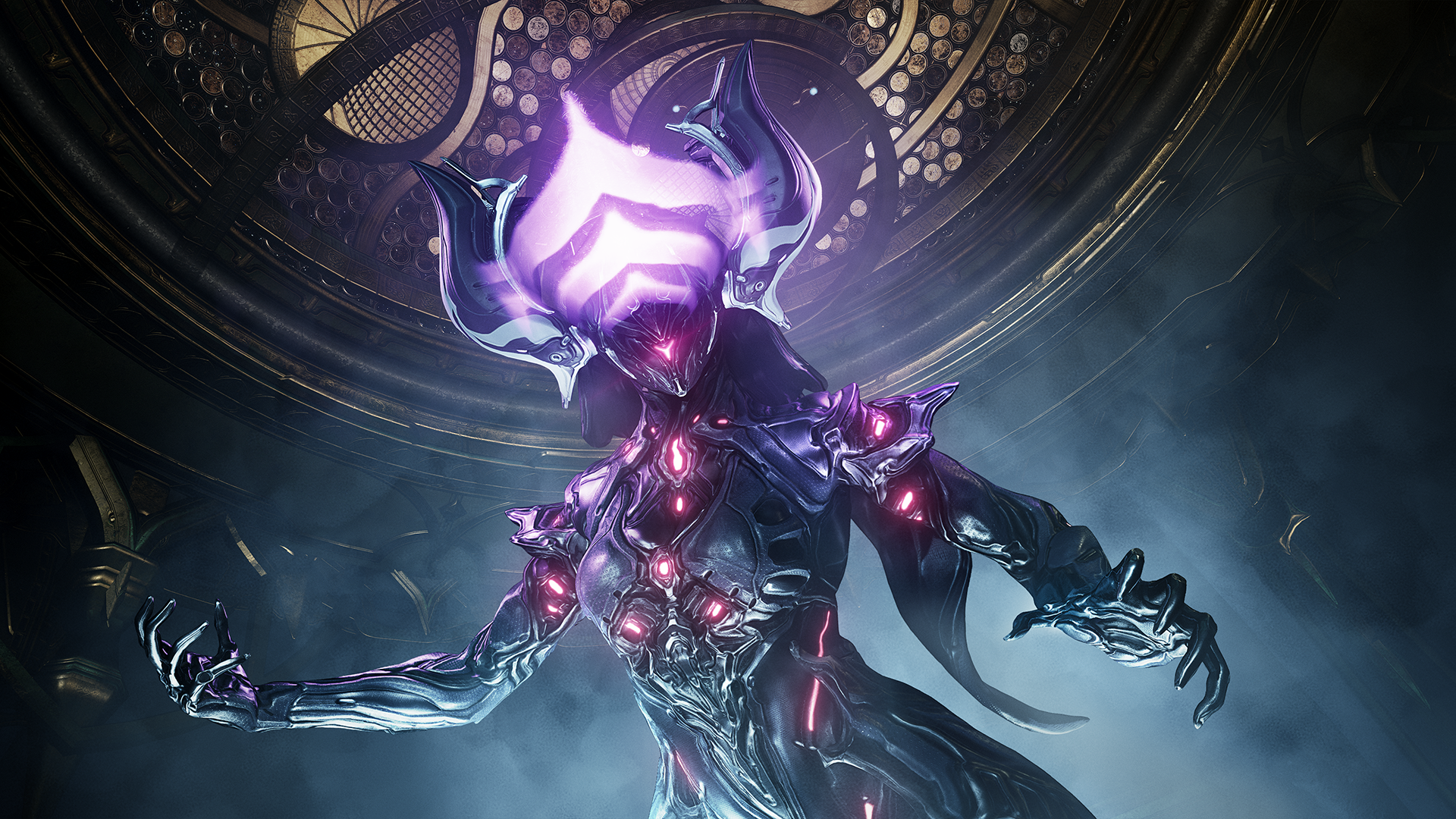
The Shadowgrapher update on March 25 continues this with a horror-themed event where players explore a haunted space relay while evading a formidable stalker. It introduces the 64th playable Warframe, Follie, who uses ink-based abilities to control enemies and aid teammates.
Also on March 25, Warframe arrives on the Nintendo Switch 2, enhancing the original Switch version with better performance, 1080p resolution, faster load times, and Joy-Con support for mouse control. Ford noted that the initial Switch release was driven by a desire to reach more platforms, proving highly successful.
"It's amazing to be back on Nintendo hardware with even better optimization, making Warframe a compelling try for Switch 2 owners," Ford said. "There's nothing quite like it on Switch—it's a mature sci-fi MMO experience that will impress players. We even added Switch 2 mouse support, which our QA team loved making happen."
As Warframe thrives, broader conversations about live-service games have emerged, especially after high-profile failures like Concord and Highguard. This has highlighted the risks and viability of games-as-a-service, sparking community investment in online performance metrics.
Warframe's early launch gave it time to define its identity before the market flooded. Ford observed that game performance discussions now resemble sports or film analytics, with Steam player counts fueling a "sportified" discourse that can skew success definitions.
Ford said such talks are inevitable but not always accurate, sometimes stressing developers with misleading lessons. "We're careful about defining success for ourselves, not just by comparing launches," she explained. "To attract players, we must make our content interesting, knowing our audience and team passions. I worry about this year's Tau update—if it's not bigger than last year's, some might call it a failure, but we decide what success means, and right now, it's about staying employed."
She credits Digital Extremes' agility in responding to community feedback for Warframe's longevity. Early on, this was crucial as Warframe was their main project, building a loyal player base through consistent improvements.
"We're a meme for our small download sizes and minimal server downtime after 13 years as a live service," Ford said. "We act fast in our unique Warframe way, earning industry grace. People debate success or failure, but we're not just a raw element—we're a molecule, embodying everything we've built."
Digital Extremes continues to succeed with Warframe, planning the Tau expansion for late 2026 and testing Soulframe, a fantasy action-RPG in alpha. By fostering community through events like TennoCon, they've created a strong bond many games lack.
"We take the community seriously," Ford said. "After 13 years, we're an institution, and it takes just one day to lose the goodwill we've built. We're mindful in how we communicate about our game, community, and team."
Ford, who has spearheaded new storylines and character events, believes Warframe's success hinges on player investment. "The future is uncertain, but I aim to provide clarity for players and devs alike," she said. "We learn from our team, many now on Soulframe, who help shape our direction. This year, Tau might not surprise, but its form will be thrilling and risky, depending on player reception. There's also a small project I've been excited about for years—it's finally seeing the light, and I've never been more personally thrilled for a Warframe update."
