UAE
UAE Argentina
 Austria
 Australia
 Belgium
 Bulgaria
 Brasil
 Canada
 Switzerland
 Chile
Chile Czech Republic
 Germany
 Denmark
 Spain
Spain Finland
 France
 United Kingdom
 Greece
 Hong Kong
 Hungary
 Indonesia
 Ireland
 Israel
 India
India Iceland
 Italy
Italy Japan
Japan South Korea
 Mexico
 Malaysia
 Netherlands
 Norway
 New Zealand
 Poland
 Portugal
 Romania
 Russia
 Saudi Arabia
 Sweden
 Singapore
 Slovakia
 Thailand
 Taiwan
 Ukraine RU
 United States
 South Africa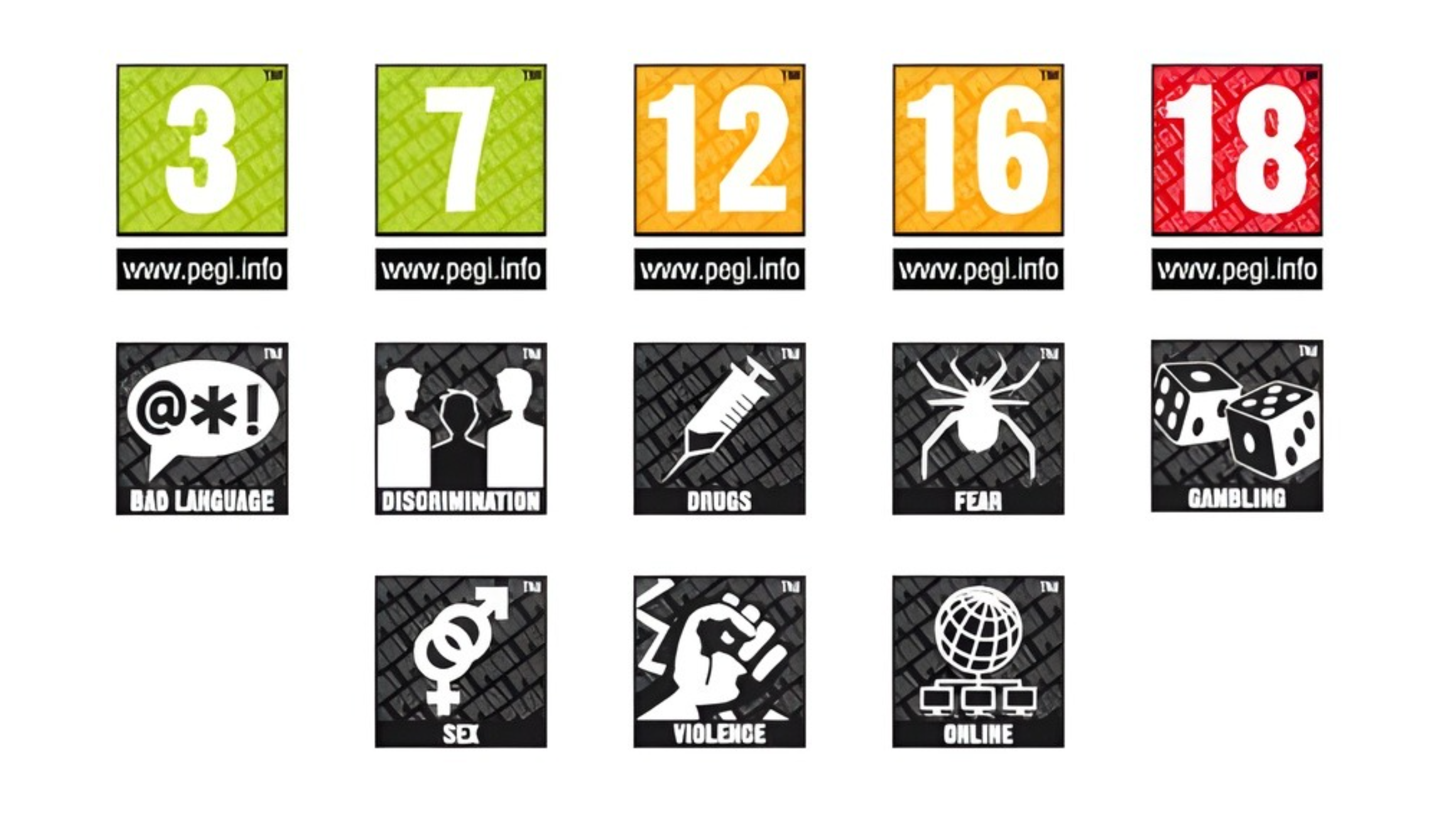
The Pan-European Game Information (PEGI) age-rating system, Europe's counterpart to North America's ESRB, is implementing a significant overhaul to how video games are classified across the continent. Starting in July 2026, PEGI will introduce four new classification categories designed to provide clearer information to parents and players about games containing specific features.
These new categories will explicitly flag games that include in-app purchases, paid random items (commonly known as loot boxes), play-by-appointment mechanics like daily streaks, and online community interactions. This marks a substantial shift from PEGI's traditional focus, which primarily assessed content based on depictions of drugs, sex, and violence, without directly addressing what the organization terms "interactive risk."
PEGI developed these new criteria in collaboration with its internal expert committees and the German age rating authority USK, which already implemented similar changes in 2023. Consequently, these new PEGI regulations will not apply to games released in Germany.
Under the new system, publishers will be required to submit additional information to help PEGI determine appropriate classifications. The organization anticipates announcing the first games rated under these new criteria later this summer.
One immediate impact will be on EA's FC series (formerly FIFA), which currently carries a PEGI 3 rating. The series' popular Ultimate Team mode features loot boxes in the form of virtual card packs, a significant revenue source for EA. Following this change, this year's FC 26 is expected to require a PEGI 16 rating.
"PEGI and its administrators have worked with a broad group of stakeholders and experts to define the boundaries of these new criteria," the organization stated. "Helping parents make informed decisions through clear warnings was a key priority, as was the existence of other protective measures like parental control tools."
PEGI noted that parental control features are available on all video game platforms using PEGI ratings, allowing restrictions on in-game spending, online interactions, and playtime. Some publishers also provide similar controls within individual games, expanding the toolkit available to ensure safer gameplay experiences.