UAE
UAE Argentina
 Austria
 Australia
 Belgium
 Bulgaria
 Brasil
 Canada
 Switzerland
 Chile
Chile Czech Republic
 Germany
 Denmark
 Spain
Spain Finland
 France
 United Kingdom
 Greece
 Hong Kong
 Hungary
 Indonesia
 Ireland
 Israel
 India
India Iceland
 Italy
Italy Japan
Japan South Korea
 Mexico
 Malaysia
 Netherlands
 Norway
 New Zealand
 Poland
 Portugal
 Romania
 Russia
 Saudi Arabia
 Sweden
 Singapore
 Slovakia
 Thailand
 Taiwan
 Ukraine RU
 United States
 South Africa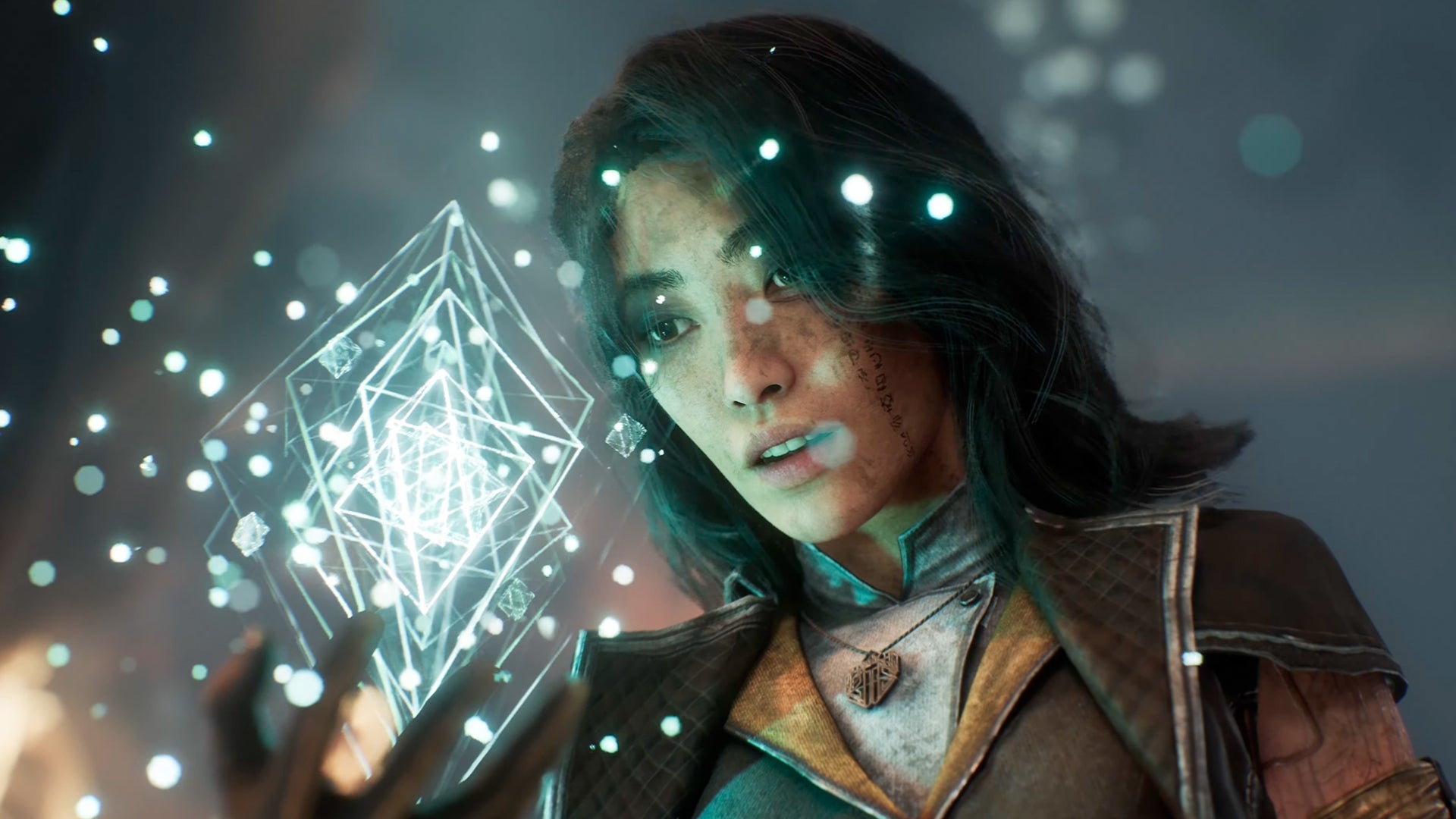
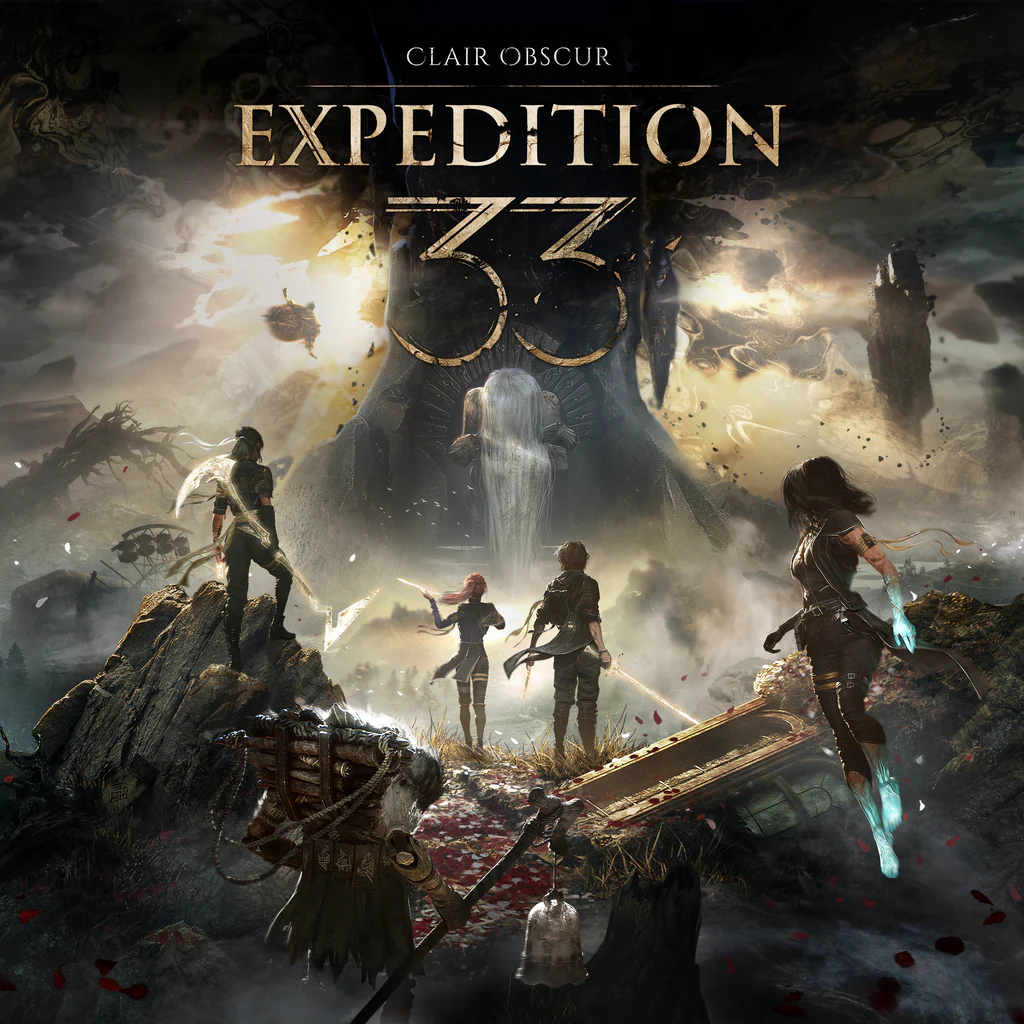
Ahead of the DICE Summit in Las Vegas this February, I had the chance to sit down with Jennifer Svedberg-Yen, a writer for Clair Obscur: Expedition 33. I knew she had an intriguing backstory—previous interviews mentioned her finance career, her limited gaming experience before joining Sandfall Interactive, and how she found the studio through a Reddit post. But nothing prepared me for just how extraordinary her path to game development really was.
We spent over an hour at a bustling hotel Starbucks, diving into her life and work. Beyond finance, she shared about a five-year period of self-discovery where she taught Cuban salsa dancing, took part in a NASA experiment, and became a licensed EMT. We also discussed the game itself—its themes, characters, and how she drew from her own life experiences, despite having little prior writing experience. Her gaming history was minimal before Expedition 33, but now she's platinumed titles like Uncharted 3, Elden Ring, and God of War: Ragnarok.
This is a detailed account. For quick highlights, check out pieces on why Expedition 33 may never have a canon ending and the internal studio bets lost due to the game's success. But the heart of Svedberg-Yen's story is here, so I hope you'll read on.
The interview has been lightly edited for clarity and trimmed for length.
IGN: Let's start with your background. I know you didn't play games growing up but read a lot. What did you read?
Jennifer Svedberg-Yen: Where to begin? I loved science fiction and fantasy, plus classics like Little Women and The Count of Monte Cristo. As a kid, I devoured The Boxcar Children and Baby-Sitters Club. Later, I got into series like Ender's Game and Wheel of Time. Anne McCaffrey's Dragonriders of Pern was a favorite. I'd read anything in the library, including Greek and Roman myths, and later, Brandon Sanderson's Stormlight Archive. School readings like Flowers for Algernon and East of Eden also left a mark.
So you were always a story enthusiast.
Svedberg-Yen: Absolutely. I was a bookworm—hiding in clothes racks at stores to read while my family shopped. My mom would joke about wanting me to play outside instead. I also loved TV: Buffy the Vampire Slayer, Star Trek Voyager, Gilmore Girls, Parks and Rec, and shows like Battlestar Galactica, which inspired me to want to tell stories as part of a creative team.
You wanted to be part of a storytelling team but went into finance. Why?
Svedberg-Yen: It's partly the Asian immigrant family experience. My parents emphasized financial stability after hardships like escaping wars. In high school, I was active in business clubs and even won state championships. At the University of Pennsylvania, I joined the Huntsman Program, which led naturally to consulting or banking. It was lucrative, and I wanted to help pay for my siblings' college. I enjoyed it intellectually but didn't see it as a lifelong passion.
Were you writing on the side during this time?
Svedberg-Yen: Not really. I admired authors but doubted my own creativity. I'd write for classes, but my attempts at comedy often turned sad. After burning out in finance—a toxic environment—I started jotting down ideas from vivid dreams. This sparked more writing, filling notebooks with scenes and outlines, though I still hesitated to call myself a writer.
You found Clair Obscur via a Reddit post. What made you leave finance?
Svedberg-Yen: I worked in finance for about a decade, including investment banking and private equity in New York and Hong Kong. I reached a senior level but felt unfulfilled, often thinking I was just making rich people richer. My last role at CPPIB involved investing pension assets, which felt more meaningful, but the stress and values misalignment led me to quit in 2015. I was working up to 80 hours a week with no personal life.
Financially stable, I took five years off to explore interests I'd neglected: martial arts, dance (including teaching Cuban salsa), yoga, and a NASA analog astronaut program. I lived frugally, focusing on simple pleasures like books and notebooks.
And then you responded to a Reddit post?
Svedberg-Yen: Yes, for the NASA program and later for game work. I saw a post from Guillaume Broche, then at Ubisoft, seeking free voice actors for a project. I auditioned, and we started talking. I helped with dialogue, and eventually, he asked if I'd write part-time. That project evolved, and when Guillaume, Tom Guillermin, and Francois Meurisse started Sandfall Interactive, I joined. Most of us had no game experience.
Had you played many games by then?
Svedberg-Yen: Not really. I'd watched my brother play Zelda and tried a bit of Final Fantasy X, but Portal was my main experience. Once on the team, I started playing games like Sackboy: A Big Adventure and Borderlands 3, discovering I'm a loot goblin. I've since platinumed games like Elden Ring and God of War: Ragnarok.
How did Expedition 33 come together?
Svedberg-Yen: We initially worked on a game called 'We Lost,' but advisors encouraged us to think bigger. Guillaume had an idea sparked by a painting, and I had a dream about a woman rescuing her mother from a painting. We merged these concepts, with Guillaume's mom's input about losing a child as the catalyst. That birthed Expedition 33.
Did playing games influence your writing?
Svedberg-Yen: Mostly after we'd written the script. It helped me understand game narrative structures, like side quests and dialogue, coming from a TV/film background.
What part of the game feels most like your signature?
Svedberg-Yen: The emotional arcs and nuances of the characters. I drew from my own life: Maelle's loneliness, Lune's eldest-daughter pressures, Sciel's post-finance exploration, and Renoir's parental wisdom from my mom. I aimed to capture deep, conflicting emotions authentically.
The ending has no clear 'good' choice. Was that intentional?
Svedberg-Yen: Yes, Guillaume and I agreed early on. We prefer stories without neat happy endings, reflecting life's complexities. Both endings are valid, depending on perspective.
Is there a canon ending?
Svedberg-Yen: No, we're not picking one. It's a Schrodinger's ending—both possibilities exist.
What themes were you exploring?
Svedberg-Yen: Creative expression as both a window into others and a mirror into oneself. Art leaves a piece of the creator's soul, and it can help players process emotions like grief. I also touched on societal duties and the conflicts in pursuing happiness.
With the game's awards and success, what's next for the studio?
Svedberg-Yen: We plan to stay small to preserve our culture but may add help in areas like marketing. The success secures our future, and we're focused on continuing to make games we love. There were internal bets on Metacritic scores—everyone lost, leading to dares like eating a whole chicken or dyeing hair.
And for you personally?
Svedberg-Yen: I'm enjoying games but might take a break. I'm consulting for other studios and working on a short story collection. Maybe I can finally say I'm a writer now.