UAE
UAE Argentina
 Austria
 Australia
 Belgium
 Bulgaria
 Brasil
 Canada
 Switzerland
 Chile
Chile Czech Republic
 Germany
 Denmark
 Spain
Spain Finland
 France
 United Kingdom
 Greece
 Hong Kong
 Hungary
 Indonesia
 Ireland
 Israel
 India
India Iceland
 Italy
Italy Japan
Japan South Korea
 Mexico
 Malaysia
 Netherlands
 Norway
 New Zealand
 Poland
 Portugal
 Romania
 Russia
 Saudi Arabia
 Sweden
 Singapore
 Slovakia
 Thailand
 Taiwan
 Ukraine RU
 United States
 South Africa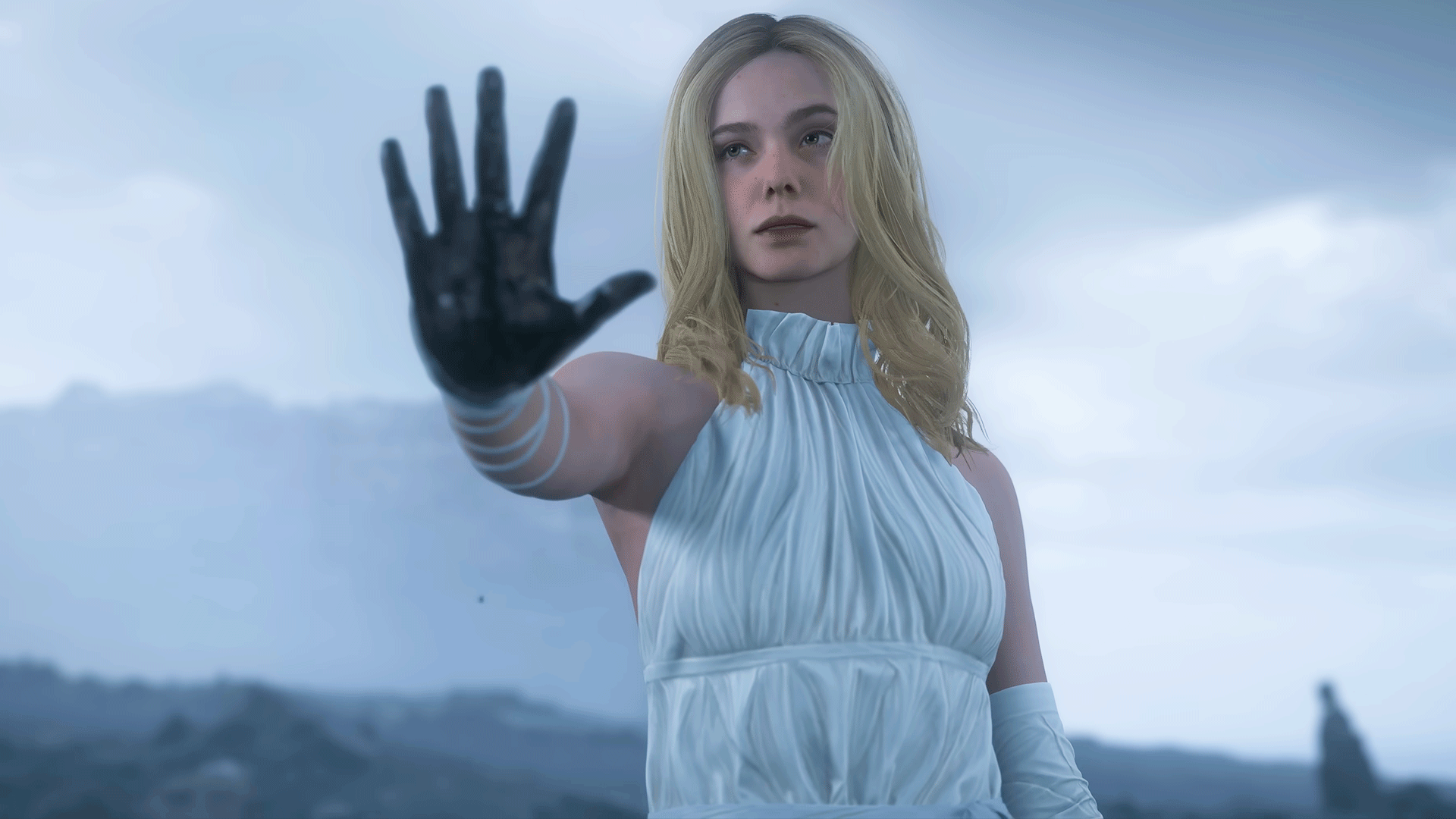
In a move that has sent shockwaves through the gaming world, PlayStation has abruptly severed ties with legendary game designer Hideo Kojima, abandoning his ambitious next-gen project, Physint. The decision has left analysts scrambling to understand why Sony would walk away from such a high-profile collaboration.
Physint will still see the light of day, but now under the banner of PlayStation's biggest rival, Xbox. This marks a significant public relations victory for Microsoft's gaming division, especially after a challenging period.
Meanwhile, Sony appears to be retreating from yet another major public commitment—this time, the highly publicized partnership with Kojima that was celebrated with a handshake between PlayStation Studios head Herman Hulst and the iconic creator. The timing couldn't be worse, as fan backlash continues over PlayStation's controversial disc-killing strategy and unease grows regarding the shutdown of Destiny 2 development.
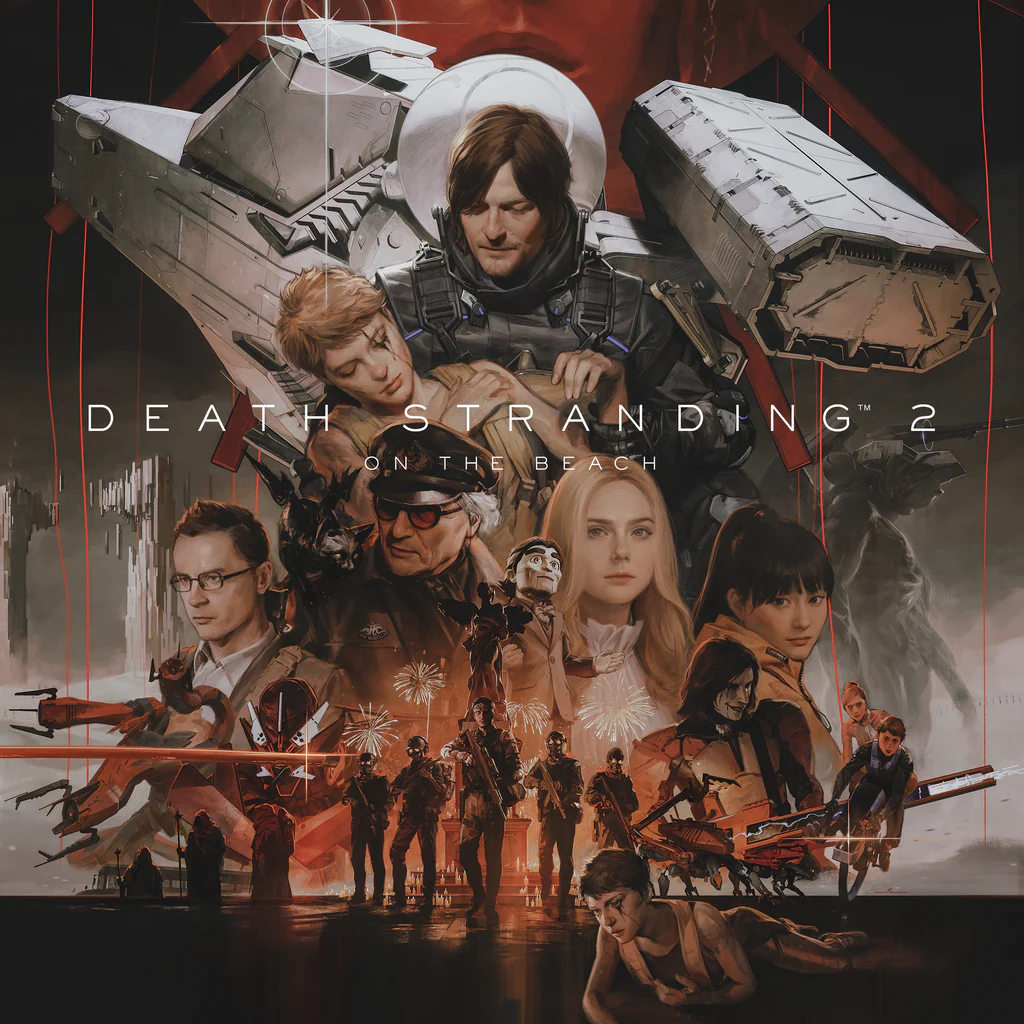
So why risk further criticism? According to Dr. Serkan Toto, CEO of Japanese consultancy Kantan Games, the disappointing sales of Kojima's latest title, Death Stranding 2: On the Beach, may be the key factor.
"Kojima games have a strong platform marketing halo effect and are not about sales alone, but it seems the steep drop-off from DS1 to DS2 spooked Sony enough to cut him off," Toto wrote on X/Twitter this morning.
Direct comparisons between the two Death Stranding titles are tricky, as Sony and Kojima Productions never released official sales figures for the sequel. "This is of course not a good sign," Toto told IGN.
A new estimate from Alinea Analytics puts Death Stranding 2 at 2.5 million copies sold—a far cry from the original's 20 million players, though there are caveats. For context, Death Stranding 1 had sold 5 million copies by March 2021 and reached 20 million players by March 2025, a figure that includes those who played via subscription services like Xbox Game Pass or claimed it for free on the Epic Games Store. In July, Kojima Productions announced that the franchise had accumulated 27 million players across both games.
Alinea's analysis also indicates that Death Stranding 2 sales have now slowed to a trickle, with several notable discounts failing to boost numbers, and revenue for the sequel remaining lower than its predecessor.
The picture is clear: the sequel failed to build upon or even match the sales and reach of the original. This may have been enough to "spook" Sony, as Toto suggested, especially since both projects are lavish productions with lengthy development cycles and Hollywood stars in key roles.
Looking ahead to Physint, Sony may have felt that the investment required to fund a similar scale and length was simply not worth it—especially as Physint appears even more ambitious, with even more famous actors attached. Last year, Kojima estimated the game was still 5-6 years from completion, and there have been hints that a film production is also involved.
All these challenges now fall to Microsoft, though as Toto noted, the financial costs will be partially offset by the positive impact this news has on Xbox's brand, particularly after a summer of layoffs, studio closures, and its own project cancellations aimed at focusing on games more likely to succeed. While Physint may still be half a decade away, it is now a flagship title (and potential console exclusive) for Xbox's next-gen Project Helix.
"This doesn't look great for PlayStation among core gamers," noted Alinea Analytics analyst Rhys Elliot today. "Especially right now. From a strictly financial perspective, though, I can understand Sony's position. In a vacuum, anyway."
He continued: "Ballpark math: word on the street is that the first Death Stranding cost about $100 million to make, and the second somewhere in the $150 million – $200 million ballpark (longer dev cycle, COVID, and all that). Depending on marketing overhead and the opportunity cost of pulling those Guerrilla developers onto DS1, the franchise has almost certainly broken even – but not by much."
"Margins are the name of the game now," Elliot added, suggesting that recent key misses from PlayStation Studios have made the company more cautious about which big-budget projects it backs. "Over the past few years, scares like Concord (cancelled, $300 million+ down the drain) and softer sales from the likes of Marathon (1.8M sold), Saros ($61M), Marvel Tokon (725K, $49M), and Lego Horizon Adventures (under 250K across Steam and PS5, $11M) seem to be making PlayStation more wary."
But while ditching Kojima will likely save millions, the optics of losing such a prestige project are uncomfortable at best, especially after recent online uproars over Bungie and physical media. "The PR miss of Xbox scoring off Sony's stumbles could have been avoided," Elliot noted. And, as The Game Business' Christopher Dring noted on X/Twitter today: "You don't sign a Kojima game for the profit margin. It's a credibility play. Strong win for Xbox."